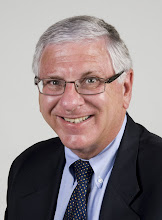
Nick Van Erp, active in soccer since elementary school and lacrosse since junior high, tore the anterior cruciate ligament in his knee during a spring lacrosse game his freshman year of high school. His injury, caused by stepping into a pothole and hyper-extending his knee, required surgical repair, ending his season prematurely and the remainder of his high school sports career.
Three years and two failed surgeries later, he made his way to the University of Michigan Health System in July 2009 to get what he hopes will be his final knee surgeries.
“I haven’t played soccer since freshman year and I’ve tried to play lacrosse, but every time, [my ACL] tears,” says Van Erp, a Grand Rapids resident.
Failed ACL repairs common
This eighteen-year-old’s story is not unique—an estimated 400,000 people suffer an ACL injury each year, requiring primary reconstruction surgery to repair the injury. Unfortunately, 18,000 to 35,000 of those repairs will fail and require revisions, which are additional surgeries for reconstruction. Revisions are more complicated, less successful and require a longer rehabilitation period than the first surgery.
Orthopaedic surgeons at U-M perform 200-300 ACL primary reconstructions each year. In addition to primary reconstructions, U-M surgeons perform about 30 revisions each year to correct failed ACL primary reconstructions performed elsewhere.
“Why those ligaments fail is subject to a lot of debate but probably has something to do with the techniques used the first time, and then the fact that so many [patients] go back to the sports that originally caused the problem,” says Ed Wojtys, M.D., director of the MedSport sports medicine clinic at U-M.
Primary ACL reconstruction surgeries, performed by orthopaedic surgeons, replace the injured ligament with an autograft from the patient’s body, such as a tendon of the kneecap or hamstring.
Most reconstruction surgeries are done by making small incisions in the knee and inserting instruments to perform the repair. After surgery, typically four to six months of rehabilitation therapy is needed for the repair to fully heal. If surgery and rehabilitation is done correctly, the patient typically will have reduced pain, good knee function and stability, and return to normal levels of activity.
“The most common reason for an ACL [repair] to fail is technical error, where the actual graft is placed in a non-anatomic position and the most common wrong position is too vertical—too up and down—which doesn’t allow the graft to restore rotation,” Jon Sekiya, M.D., associate professor of orthopaedics at U-M.
Common reasons for ACL repair failure include:_• inadequate time for rehabilitation, _• physiological factors such as the alignment of the patient’s bones or muscle function, _• additional injuries at the same time as an ACL injury—such as to cartilage in the knee or another knee ligament—which may also require repair to restore stability to the knee, _• reoccurring trauma due to intense physical activity, and _• improper surgical techniques.
Finding an experienced surgeon
An American Board of Orthopedic Surgeries survey found that 85 percent of surgeons who are doing ACL [repairs] do 10 or less per year.
“I definitely don’t think that the exact number of surgeries you do is indicative of necessarily the skill level,” Sekiya says. “However, I do think there are subtleties to this surgery that if encountered during an operation, may not be recognized in a less experienced ACL surgeon and can lead to failure. We do see that.”
To reduce the chance of an ACL repair failure, Sekiya says patients should talk to surgeons and other clinical staff who may be involved in their care about their experience before deciding on where to get the surgery.__“When trying to choose a place to take care of their ACL and their injury, [patients] should make sure the surgical staff and therapists are well versed to take care of all the problems they may encounter,” says Sekiya, who is also Nick Van Erp’s orthopaedic surgeon. “Patients can simply ask their surgeon if they are comfortable doing the procedure – they will likely get an honest answer.
Long road to repair
Nick Van Erp, who was en route to a third ACL repair surgery elsewhere when he was referred to U-M for a second opinion, is now on the road to recovery.
“I think we were headed down a course that was similar to the two episodes that had previously failed,” says Jeff Van Erp, who is Nick’s father and also a practicing physician.
Upon examination, Sekiya found that Van Erp’s problem was more complicated than a failed ACL repair. He and the Van Erps opted for diagnostic arthroscopy, to fully evaluate the knee and prepare it for future surgeries. This took place in August 2009.
The procedure revealed that Van Erp’s meniscus had been removed during a previous surgery, which is a secondary stabilizer to the ACL, and that he had bowed knees, which also contributed to his two previous ACL reconstruction failures. During the procedure, Sekiya also removed previously placed hardware and filled in the tunnels left behind with bone grafts.
In October 2009, Sekiya performed a tibial osteotomy, where he had to break and re-fix Van Erp’s shin bone to realign his knee. And finally, in March 2010, Sekiya transplanted a new meniscus and performed a double-bundle ACL reconstruction to provide stronger reinforcement to the knee.
“[I have] no real pain anymore,” Nick Van Erp says. ”And I know the tibial osteotomy worked because [my knee] feels more stable.”
“We’re obviously very happy that we decided to invest the time and energy into getting an opinion from someone who specializes in essentially catastrophic joint situations like Dr. Sekiya,” says Jeff Van Erp.
Nick Van Erp hopes to play intramural lacrosse at Kalamazoo College next year.
“I’m hoping this is the last knee surgery,” he says. “Hopefully everything will work and I can go to college and not have to worry about this.”
• Nick Van Erp has been undergoing physical therapy and expects to be completed in September 2010.
•
•
•
•
Wednesday, June 30, 2010

Surgical repair of knee injuries does not decrease risk of osteoarthritis
Ω
Arthroscopic surgical repair of torn anterior cruciate ligaments (ACL) or meniscal cartilage injuries in the knee does not decrease the chances of developing osteoarthritis, according to a new study published in the online edition and August print issue of the journal Radiology.
A decade after the initial injuries were diagnosed using MRI, localized knee osteoarthritis was evident in patients, regardless of whether or not the injuries had been surgically repaired.
"This study proves that meniscal and cruciate ligament lesions increase the risk of developing specific types of knee osteoarthritis," said Kasper Huétink, M.D., the study's lead author and resident radiologist at Leiden University Medical Center in the Netherlands. "Surgical therapy does not decrease that risk."
According to the American Academy of Orthopaedic Surgeons, the ACL, which is one of four ligaments that connect the bones in the knee, is the most commonly injured ligament. Injury typically occurs when the ACL is overstretched or torn.
Approximately half of ACL injuries will cause damage to other areas of the knee, including the meniscus, a wedge-shaped piece of cartilage that acts as a shock absorber for the knee joints. Surgical treatment is usually advised to repair these injuries.
Knee osteoarthritis is a common public health problem affecting more than nine million Americans. It typically develops gradually over several years. Knee osteoarthritis symptoms can include pain, stiffness, swelling and reduction in knee mobility.
For the study, researchers gathered information from the database of a previous multicenter study of 855 patients. The earlier study was conducted from 1996 to 1997 to evaluate the diagnostic value of knee MRI relative to arthroscopy in patients with knee pain.
In the current study, Dr. Huétink and colleagues followed up with 326 of the original 855 patients. All 326 patients had experienced knee pain for four weeks or more prior to the initial MRI and treatment. Initial findings and differences in treatment were compared with current follow-up x-rays and MRI exams.
The results showed that patients with ACL and meniscus tears are at a greater risk for developing osteoarthritis. Meniscectomy, which is the surgical removal of all or part of a torn meniscus, did not reduce that risk.
According to Dr. Huétink, the long-term and short-term clinical benefits of partial meniscectomy vs. meniscal repair procedures need to be further investigated.
"There is a higher risk of developing knee osteoarthritis at specific sites after tearing a meniscus or cruciate ligament," Dr. Huétink said. "We showed a direct relationship between injury and long-term consequences, and showed that surgery has no impact on long-term outcomes."
###
Arthroscopic surgical repair of torn anterior cruciate ligaments (ACL) or meniscal cartilage injuries in the knee does not decrease the chances of developing osteoarthritis, according to a new study published in the online edition and August print issue of the journal Radiology.
A decade after the initial injuries were diagnosed using MRI, localized knee osteoarthritis was evident in patients, regardless of whether or not the injuries had been surgically repaired.
"This study proves that meniscal and cruciate ligament lesions increase the risk of developing specific types of knee osteoarthritis," said Kasper Huétink, M.D., the study's lead author and resident radiologist at Leiden University Medical Center in the Netherlands. "Surgical therapy does not decrease that risk."
According to the American Academy of Orthopaedic Surgeons, the ACL, which is one of four ligaments that connect the bones in the knee, is the most commonly injured ligament. Injury typically occurs when the ACL is overstretched or torn.
Approximately half of ACL injuries will cause damage to other areas of the knee, including the meniscus, a wedge-shaped piece of cartilage that acts as a shock absorber for the knee joints. Surgical treatment is usually advised to repair these injuries.
Knee osteoarthritis is a common public health problem affecting more than nine million Americans. It typically develops gradually over several years. Knee osteoarthritis symptoms can include pain, stiffness, swelling and reduction in knee mobility.
For the study, researchers gathered information from the database of a previous multicenter study of 855 patients. The earlier study was conducted from 1996 to 1997 to evaluate the diagnostic value of knee MRI relative to arthroscopy in patients with knee pain.
In the current study, Dr. Huétink and colleagues followed up with 326 of the original 855 patients. All 326 patients had experienced knee pain for four weeks or more prior to the initial MRI and treatment. Initial findings and differences in treatment were compared with current follow-up x-rays and MRI exams.
The results showed that patients with ACL and meniscus tears are at a greater risk for developing osteoarthritis. Meniscectomy, which is the surgical removal of all or part of a torn meniscus, did not reduce that risk.
According to Dr. Huétink, the long-term and short-term clinical benefits of partial meniscectomy vs. meniscal repair procedures need to be further investigated.
"There is a higher risk of developing knee osteoarthritis at specific sites after tearing a meniscus or cruciate ligament," Dr. Huétink said. "We showed a direct relationship between injury and long-term consequences, and showed that surgery has no impact on long-term outcomes."
###
Wednesday, March 17, 2010
15 Years After ACL Knee Reconstruction, 84% of Male Patients Still Highly Active
*
Eighty-four percent of males who had ACL knee (anterior cruciate ligament) reconstruction with a patellar tendon (the tendon that attaches the knee to the front of the tibia or shin bone) graft continue at a high level of activity 15 years later, according to a study presented today at the American Orthopaedic Society for Sports Medicine’s Specialty Day in New Orleans, Louisiana (March 13). Additionally, these patients have not developed severe osteoarthritis and their knees remain stable.
“We have done this procedure for many years and this study looks at patients as far back as 17 years,” said Leo Pinczewski, MD, corresponding author and consultant surgeon at the North Sydney Orthopaedic & Sports Medicine Centre, Wollstonecraft, Australia. “The results of this technique, which was new almost 20 years ago, were excellent at five years, outstanding at 10 years and still very, very good at 15 years. Patients went back to sport quickly, had an easy rehabilitation with no brace and were frequently walking straight away.”
The goal of ACL knee surgery is to stabilize the knee with a short rehabilitation letting patients get back to an active lifestyle. Long-term, the surgery aims to prevent additional damage to the knee and minimize osteoarthritis.
But Dr. Pinczewski’s success with the procedure almost didn’t occur, he noted. In 1989, Dr. Pinczewski had gone to a medical seminar to hear Tom Rosenberg, MD, of Salt Lake City, Utah, who had pioneered a surgery to arthroscopically reconstruct the ACL using the patellar tendon. Previously, this knee surgery had been an “open” (not minimally invasive) procedure with a long rehabilitation and a high incidence of osteoarthritis. All he was able to obtain was the procedure summary from literature left at the lecture.
“So, I worked out how to do it from the abstract,” said Dr. Pinczewski. “Little did I know that I got it wrong, according to Dr. Rosenberg’s method. But, in fact, it proved to be fortuitous. The way I performed the surgery was to drill the hole into the femoral bone before drilling into the tibia. Dr. Rosenberg’s technique drilled into the tibia first. It turned out you can get the graft into a better position and a more stable knee if you drill in that order. I didn’t know I had it ‘wrong’ until after I’d performed hundreds of successful operations.”
In the study, 90 patients (46 men and 44 women between 15-42 years) had endoscopic ACL knee surgery performed by Dr. Pinczewski. After 15 years, 82 patients (88%) were examined and documented. In evaluating knee function (limp, locking, instability, pain, swelling and trouble climbing stairs), the patients had a median score of 95 (in a range of 39-100). Rating the function of their knee on a scale of 0 – 10, with 10 being normal, excellent function and 0 being inability to perform daily activities, patients reported their knee function at an average of 9.5 after 15 years.
As for sports participation, 84 percent of males and 45 percent of females were participating in very strenuous activities such as soccer and basketball or in strenuous activities such as skiing or tennis. 24 percent of patients participated in moderate activities such as running or jogging and14 percent participated in light activities such as walking 15 years after surgery. However, 89 percent of patients had no signs of osteoarthritis at 15 years after the surgery. The study did note a concern for increased kneeling pain in patients due to the donor site for the patellar tendon graft that needed further scrutiny.
Eighty-four percent of males who had ACL knee (anterior cruciate ligament) reconstruction with a patellar tendon (the tendon that attaches the knee to the front of the tibia or shin bone) graft continue at a high level of activity 15 years later, according to a study presented today at the American Orthopaedic Society for Sports Medicine’s Specialty Day in New Orleans, Louisiana (March 13). Additionally, these patients have not developed severe osteoarthritis and their knees remain stable.
“We have done this procedure for many years and this study looks at patients as far back as 17 years,” said Leo Pinczewski, MD, corresponding author and consultant surgeon at the North Sydney Orthopaedic & Sports Medicine Centre, Wollstonecraft, Australia. “The results of this technique, which was new almost 20 years ago, were excellent at five years, outstanding at 10 years and still very, very good at 15 years. Patients went back to sport quickly, had an easy rehabilitation with no brace and were frequently walking straight away.”
The goal of ACL knee surgery is to stabilize the knee with a short rehabilitation letting patients get back to an active lifestyle. Long-term, the surgery aims to prevent additional damage to the knee and minimize osteoarthritis.
But Dr. Pinczewski’s success with the procedure almost didn’t occur, he noted. In 1989, Dr. Pinczewski had gone to a medical seminar to hear Tom Rosenberg, MD, of Salt Lake City, Utah, who had pioneered a surgery to arthroscopically reconstruct the ACL using the patellar tendon. Previously, this knee surgery had been an “open” (not minimally invasive) procedure with a long rehabilitation and a high incidence of osteoarthritis. All he was able to obtain was the procedure summary from literature left at the lecture.
“So, I worked out how to do it from the abstract,” said Dr. Pinczewski. “Little did I know that I got it wrong, according to Dr. Rosenberg’s method. But, in fact, it proved to be fortuitous. The way I performed the surgery was to drill the hole into the femoral bone before drilling into the tibia. Dr. Rosenberg’s technique drilled into the tibia first. It turned out you can get the graft into a better position and a more stable knee if you drill in that order. I didn’t know I had it ‘wrong’ until after I’d performed hundreds of successful operations.”
In the study, 90 patients (46 men and 44 women between 15-42 years) had endoscopic ACL knee surgery performed by Dr. Pinczewski. After 15 years, 82 patients (88%) were examined and documented. In evaluating knee function (limp, locking, instability, pain, swelling and trouble climbing stairs), the patients had a median score of 95 (in a range of 39-100). Rating the function of their knee on a scale of 0 – 10, with 10 being normal, excellent function and 0 being inability to perform daily activities, patients reported their knee function at an average of 9.5 after 15 years.
As for sports participation, 84 percent of males and 45 percent of females were participating in very strenuous activities such as soccer and basketball or in strenuous activities such as skiing or tennis. 24 percent of patients participated in moderate activities such as running or jogging and14 percent participated in light activities such as walking 15 years after surgery. However, 89 percent of patients had no signs of osteoarthritis at 15 years after the surgery. The study did note a concern for increased kneeling pain in patients due to the donor site for the patellar tendon graft that needed further scrutiny.
Friday, March 12, 2010
A sporting chance for active total knee replacement patients
*
Study finds implant durability not affected by high-impact sports participation
Total knee arthroplasty (TKA) patients may be able to participate in high-impact sports without increasing risk of early implant failure, according to a new study presented today at the 2010 Annual Meeting of the American Academy of Orthopaedic Surgeons (AAOS). In addition, the authors observed better clinical scores in the group of patients who participated in activities discouraged by the Knee Society (KS) than those of the control group.
The Knee Society recommends TKA patients avoid activities that cause high stress loads on the implant and may increase the risk of early failure. Such activities include high-impact aerobics, football, soccer, baseball, basketball, jogging and power lifting, among others.
"Recent studies have shown that as many as one in six total knee replacement patients participate in non-recommended activities," said Sebastian Parratte, M.D., PhD, an orthopaedic surgeon from the Mayo Clinic in Rochester, MN and the Aix-Marseille University, Center for Arthritis Surgery, Hospital Sainte-Marguerite in Marseille, France. "This study offers some reassurance to those patients who choose to return to an active lifestyle after surgery."
Researchers evaluated outcomes of 218 patients between the ages of 18 and 90 who underwent primary knee arthroplasty at the Mayo Clinic and reported performing heavy manual labor or practicing a non-recommended sport following surgery. The "sport group" was matched by age, gender and BMI to a control group of 317 patients who underwent the same procedure using an identical implant and followed recommended activity guidelines.
Clinical and radiologic results were measured using Knee Society (KS) scores and implant survivorship was evaluated using multivariate analysis according to the Cox model.
At an average follow-up of seven-and-a-half years after surgery, the study found:
No significant radiological differences and no significant differences in implant durability could be demonstrated between the sport group and the control group;
The sport group showed slightly higher KS Knee and function scores compared to the control group;
The control group experienced a 20 percent higher revision rate for mechanical failure (loosening, wear or fracture) compared to the sport group;
After accounting for all variables, including co-morbidities, the sport group had a 10 percent higher risk of mechanical failure compared to the control group.
These results were quite surprising to Dr. Parratte and his team.
"We hypothesized that high-impact activities would not increase the risk of implant failure, but we did not foresee that such activities might actually improve clinical results," he said. "It is clear that more research is necessary to evaluate the short and long-term effect of high-impact activities on the durability and function of modern TKA implants."
He added that, although the industry is not ready or able at this point to revise its recommendations, that possibility may exist in the not-too-distant future. In the meantime, he noted that surgeons and patients should continue to follow all industry recommendations relating to recovery following joint replacement surgery.
###
Learn more.
About Joint Replacement
Joint replacement, also known as arthroplasty, is considered by many to be one of the most successful medical innovations of the 20th century. Total joint replacement is a surgical procedure in which the patient's natural joint is replaced with an artificial one, made of a combination of plastic, metal, and/or ceramic.
The most common reasons for this surgery are pain and stiffness that limits normal activities such as walking and bending and that cannot be satisfactorily treated with medications or other therapies. Therefore, joint replacement surgery often provides a significantly improved quality of life to patients who would otherwise have to live with severe pain.
In 2007, there were 550,161 total knee replacements performed in the United States, and that number is on the rise—particularly as the Baby Boomer population continues to age. Because of this trend, it is important to optimize patient outcomes.
Study finds implant durability not affected by high-impact sports participation
Total knee arthroplasty (TKA) patients may be able to participate in high-impact sports without increasing risk of early implant failure, according to a new study presented today at the 2010 Annual Meeting of the American Academy of Orthopaedic Surgeons (AAOS). In addition, the authors observed better clinical scores in the group of patients who participated in activities discouraged by the Knee Society (KS) than those of the control group.
The Knee Society recommends TKA patients avoid activities that cause high stress loads on the implant and may increase the risk of early failure. Such activities include high-impact aerobics, football, soccer, baseball, basketball, jogging and power lifting, among others.
"Recent studies have shown that as many as one in six total knee replacement patients participate in non-recommended activities," said Sebastian Parratte, M.D., PhD, an orthopaedic surgeon from the Mayo Clinic in Rochester, MN and the Aix-Marseille University, Center for Arthritis Surgery, Hospital Sainte-Marguerite in Marseille, France. "This study offers some reassurance to those patients who choose to return to an active lifestyle after surgery."
Researchers evaluated outcomes of 218 patients between the ages of 18 and 90 who underwent primary knee arthroplasty at the Mayo Clinic and reported performing heavy manual labor or practicing a non-recommended sport following surgery. The "sport group" was matched by age, gender and BMI to a control group of 317 patients who underwent the same procedure using an identical implant and followed recommended activity guidelines.
Clinical and radiologic results were measured using Knee Society (KS) scores and implant survivorship was evaluated using multivariate analysis according to the Cox model.
At an average follow-up of seven-and-a-half years after surgery, the study found:
No significant radiological differences and no significant differences in implant durability could be demonstrated between the sport group and the control group;
The sport group showed slightly higher KS Knee and function scores compared to the control group;
The control group experienced a 20 percent higher revision rate for mechanical failure (loosening, wear or fracture) compared to the sport group;
After accounting for all variables, including co-morbidities, the sport group had a 10 percent higher risk of mechanical failure compared to the control group.
These results were quite surprising to Dr. Parratte and his team.
"We hypothesized that high-impact activities would not increase the risk of implant failure, but we did not foresee that such activities might actually improve clinical results," he said. "It is clear that more research is necessary to evaluate the short and long-term effect of high-impact activities on the durability and function of modern TKA implants."
He added that, although the industry is not ready or able at this point to revise its recommendations, that possibility may exist in the not-too-distant future. In the meantime, he noted that surgeons and patients should continue to follow all industry recommendations relating to recovery following joint replacement surgery.
###
Learn more.
About Joint Replacement
Joint replacement, also known as arthroplasty, is considered by many to be one of the most successful medical innovations of the 20th century. Total joint replacement is a surgical procedure in which the patient's natural joint is replaced with an artificial one, made of a combination of plastic, metal, and/or ceramic.
The most common reasons for this surgery are pain and stiffness that limits normal activities such as walking and bending and that cannot be satisfactorily treated with medications or other therapies. Therefore, joint replacement surgery often provides a significantly improved quality of life to patients who would otherwise have to live with severe pain.
In 2007, there were 550,161 total knee replacements performed in the United States, and that number is on the rise—particularly as the Baby Boomer population continues to age. Because of this trend, it is important to optimize patient outcomes.
Wednesday, March 10, 2010
Patient and doctor expectations from joint replacement surgeries not always aligned
Physicians should implement measures to align expectations
While physicians strive to set realistic expectations for patients undergoing knee and hip joint replacements, a new study reveals that doctor and patient expectations are sometimes not aligned. The study, reported by Hospital for Special Surgery researchers at the American Academy of Orthopedic Surgeons held March 9-13 in New Orleans (poster P140), suggests that steps need to be taken to bridge the expectation gap.
This study is among the first to examine discrepancies in patient and physician expectation with joint replacement surgeries, according to Hassan Ghomrawi, Ph.D., MPH, outcomes research scientist, Biostatistics and Epidemiology, at Hospital for Special Surgery (HSS) in New York, who led the study.
The two joint replacement surgeries studied are known technically as total hip replacement (THR) and total knee replacement (TKR). These procedures are common in individuals over 50 and usually result from normal wear and tear that causes osteoarthritis. At Hospital for Special Surgery alone, nearly 4,000 THRs and 4,000 TKRs are performed each year.
At HSS, patients are required to attend a 90 minute class before surgery where they receive education from a specialized nurse about what they can expect during the surgery and recovery. "A leader in offering such classes, HSS has been giving a preoperative class for many years. This practice is becoming a trend in big hospitals for this type of surgery," Dr. Ghomrawi said. The results from this study indicate that such classes could be refined and steps can be taken to use these classes to improve patient and physician dialogue.
In a study that compared expectations of 42 patients with their doctors through surveys, investigators found clinically meaningful disagreement in 68 percent of patients with 53 percent of the patients' expectations exceeding the expectations of the surgeons.
"The take home message for the surgeon is that inexpensive, educational interventions like a preoperative class can be used to better align the patient's and the surgeon's expectations prior to surgery," said Alejandro Gonzalez Della Valle, M.D., associate attending orthopaedic surgeon at HSS, who was involved with the study. "This may ultimately result in higher perceived outcome."
"If a patient has unrealistic expectations that are not properly trimmed preoperatively or achieved after surgery, the patient will most likely be dissatisfied with some aspects of the final result. Conversely, if the patient has low expectations for function after surgery, it is likely that he or she will not enthusiastically engage in the different phases of the postoperative recovery including physically therapy. That patient will probably have a lower than expected functional result.
"For the patient, the take home message is that it is paramount to discuss the expectations for pain relief and function with the surgeon and in the class before undergoing a total joint replacement to make sure that the expectations of the physician and the patient are similar," said Dr. Gonzalez Della Valle.
The study included patients who were scheduled to receive a hip or knee replacement by a dedicated hip and knee surgeon. Both patient and doctor completed either a THR or TKR recovery expectation questionnaire. The surveys involved various questions with a scale from 1 to 5, ranging from a 1 being "return to normal," to a 4 being "very little improvement," and 5 being "I don't have this expectation."
The hip joint replacement survey had 18 questions involving improvement in psychological well-being, pain relief, ability to walk, ability to stand, getting rid of a limp, getting rid of a cane, ability to go up and down stairs, ability to raise from the sitting position, and improvement in social activities that range from working at a job or doing housework to recreation including the participation in sports. Other questions evaluated the mobility of an individual's hip such as whether a person could cut their own toenails.
The knee joint replacement survey had 19 questions involving improvement in psychological well-being, pain relief, ability to walk different distances, getting rid of a cane, going up and down stairs, kneeling, squatting, using transportation, the ability to be employed, and the ability to participate in recreation, social activities, sports, and sexual activity.
The numbers from each of the questions on the survey were then plugged into a formula that calculated a score ranging from 0 to 100, with 100 being the highest expectation. The study involved 25 patients undergoing THR and 17 patients undergoing TKR. Both patients and doctors completed surveys. The average surgeon expectation score was 75 (range 43 to 93) and the average patient expectation score was 84 (range 47 to 100).
"We observed a lot of variability between what the surgeon expected and what the patient expected. In an ideal world, the expectations of the patient and the surgeon should be similar," Dr. Gonzalez Della Valle said.
Based on results from this pilot study, the National Institutes of Health has awarded Dr. Ghomrawi a five-year career development award. "The hope is to be able to study the relationship between expectation discordance and several outcomes down the road, including rehabilitation outcomes at discharge, and six month and two-year follow-up functional outcomes," Dr. Ghomrawi said. "We are trying to see which items of discordance are clinically meaningful. And then we want to use all this information to improve the doctorpatient dialogue as well as to reassess the class content, so that expectations are aligned."
"The larger study will be more complex. We will try to analyze the discrepancies that different doctors may have for the same patient and that different doctors have between themselves when assessing the same patient," Dr. Gonzalez Della Valle said. "What are the physician factors and patient factors that can predict higher or lower expectations? The goal of THR and TKR surgeries is to provide durable pain relief and improvement of function so that patients can go back to an enjoyable, productive life. We want to make patients satisfied. We know that hip and knee replacement operations are very successful. But we are trying to go a step further, looking at the psychology of the patient recovery."
While physicians strive to set realistic expectations for patients undergoing knee and hip joint replacements, a new study reveals that doctor and patient expectations are sometimes not aligned. The study, reported by Hospital for Special Surgery researchers at the American Academy of Orthopedic Surgeons held March 9-13 in New Orleans (poster P140), suggests that steps need to be taken to bridge the expectation gap.
This study is among the first to examine discrepancies in patient and physician expectation with joint replacement surgeries, according to Hassan Ghomrawi, Ph.D., MPH, outcomes research scientist, Biostatistics and Epidemiology, at Hospital for Special Surgery (HSS) in New York, who led the study.
The two joint replacement surgeries studied are known technically as total hip replacement (THR) and total knee replacement (TKR). These procedures are common in individuals over 50 and usually result from normal wear and tear that causes osteoarthritis. At Hospital for Special Surgery alone, nearly 4,000 THRs and 4,000 TKRs are performed each year.
At HSS, patients are required to attend a 90 minute class before surgery where they receive education from a specialized nurse about what they can expect during the surgery and recovery. "A leader in offering such classes, HSS has been giving a preoperative class for many years. This practice is becoming a trend in big hospitals for this type of surgery," Dr. Ghomrawi said. The results from this study indicate that such classes could be refined and steps can be taken to use these classes to improve patient and physician dialogue.
In a study that compared expectations of 42 patients with their doctors through surveys, investigators found clinically meaningful disagreement in 68 percent of patients with 53 percent of the patients' expectations exceeding the expectations of the surgeons.
"The take home message for the surgeon is that inexpensive, educational interventions like a preoperative class can be used to better align the patient's and the surgeon's expectations prior to surgery," said Alejandro Gonzalez Della Valle, M.D., associate attending orthopaedic surgeon at HSS, who was involved with the study. "This may ultimately result in higher perceived outcome."
"If a patient has unrealistic expectations that are not properly trimmed preoperatively or achieved after surgery, the patient will most likely be dissatisfied with some aspects of the final result. Conversely, if the patient has low expectations for function after surgery, it is likely that he or she will not enthusiastically engage in the different phases of the postoperative recovery including physically therapy. That patient will probably have a lower than expected functional result.
"For the patient, the take home message is that it is paramount to discuss the expectations for pain relief and function with the surgeon and in the class before undergoing a total joint replacement to make sure that the expectations of the physician and the patient are similar," said Dr. Gonzalez Della Valle.
The study included patients who were scheduled to receive a hip or knee replacement by a dedicated hip and knee surgeon. Both patient and doctor completed either a THR or TKR recovery expectation questionnaire. The surveys involved various questions with a scale from 1 to 5, ranging from a 1 being "return to normal," to a 4 being "very little improvement," and 5 being "I don't have this expectation."
The hip joint replacement survey had 18 questions involving improvement in psychological well-being, pain relief, ability to walk, ability to stand, getting rid of a limp, getting rid of a cane, ability to go up and down stairs, ability to raise from the sitting position, and improvement in social activities that range from working at a job or doing housework to recreation including the participation in sports. Other questions evaluated the mobility of an individual's hip such as whether a person could cut their own toenails.
The knee joint replacement survey had 19 questions involving improvement in psychological well-being, pain relief, ability to walk different distances, getting rid of a cane, going up and down stairs, kneeling, squatting, using transportation, the ability to be employed, and the ability to participate in recreation, social activities, sports, and sexual activity.
The numbers from each of the questions on the survey were then plugged into a formula that calculated a score ranging from 0 to 100, with 100 being the highest expectation. The study involved 25 patients undergoing THR and 17 patients undergoing TKR. Both patients and doctors completed surveys. The average surgeon expectation score was 75 (range 43 to 93) and the average patient expectation score was 84 (range 47 to 100).
"We observed a lot of variability between what the surgeon expected and what the patient expected. In an ideal world, the expectations of the patient and the surgeon should be similar," Dr. Gonzalez Della Valle said.
Based on results from this pilot study, the National Institutes of Health has awarded Dr. Ghomrawi a five-year career development award. "The hope is to be able to study the relationship between expectation discordance and several outcomes down the road, including rehabilitation outcomes at discharge, and six month and two-year follow-up functional outcomes," Dr. Ghomrawi said. "We are trying to see which items of discordance are clinically meaningful. And then we want to use all this information to improve the doctorpatient dialogue as well as to reassess the class content, so that expectations are aligned."
"The larger study will be more complex. We will try to analyze the discrepancies that different doctors may have for the same patient and that different doctors have between themselves when assessing the same patient," Dr. Gonzalez Della Valle said. "What are the physician factors and patient factors that can predict higher or lower expectations? The goal of THR and TKR surgeries is to provide durable pain relief and improvement of function so that patients can go back to an enjoyable, productive life. We want to make patients satisfied. We know that hip and knee replacement operations are very successful. But we are trying to go a step further, looking at the psychology of the patient recovery."
Tuesday, February 16, 2010
Walking & Glucosamine Linked to Eased Osteoarthritis
"Progressive walking" combined with glucosamine sulphate supplementation has been shown to improve the symptoms of osteoarthritis. Researchers writing in BioMed Central's open-access journal Arthritis Research and Therapy found that patients who walked at least two bouts of 1500 steps each on three days of the week reported significantly less arthritis pain, and significantly improved physical function.
Dr Kristiann Heesch worked with a team of researchers from The University of Queensland, Australia, to carry out the trial in 36 osteoarthritis patients (aged 42-73 years). All patients received the dietary supplement for six weeks, after which they continued to take the supplement during a 12-week progressive walking program. The program, called Stepping Out, includes a walking guide; a pedometer; weekly log sheets and a weekly planner, all intended to help patients adopt the exercise regime.
Seventeen patients were randomly assigned to walk five days per week, while the remaining 19 were instructed to walk three days a week.
The team found that both groups achieved significant improvement in their symptoms, however being encouraged to walk five days a week was notmore effective than being encouraged to walk three days. "These findings are not surprising given that the three-day and five-day walking groups did not differ significantly in the mean number of days actually walked per week, the mean number of daily steps walked, nor their weekly minutes of physical activity," Dr Heesch said. "They provide preliminary evidence that osteoarthritis sufferers can benefit from a combination of glucosamine sulphate and walking 3000 steps per day for exercise, in bouts of at least 1500 steps each, on at least three days per week."
This amount of walking is less than current physical activity recommendations for the general population, but follows the recommendations for people with arthritis.
Email or share this story:
Dr Kristiann Heesch worked with a team of researchers from The University of Queensland, Australia, to carry out the trial in 36 osteoarthritis patients (aged 42-73 years). All patients received the dietary supplement for six weeks, after which they continued to take the supplement during a 12-week progressive walking program. The program, called Stepping Out, includes a walking guide; a pedometer; weekly log sheets and a weekly planner, all intended to help patients adopt the exercise regime.
Seventeen patients were randomly assigned to walk five days per week, while the remaining 19 were instructed to walk three days a week.
The team found that both groups achieved significant improvement in their symptoms, however being encouraged to walk five days a week was notmore effective than being encouraged to walk three days. "These findings are not surprising given that the three-day and five-day walking groups did not differ significantly in the mean number of days actually walked per week, the mean number of daily steps walked, nor their weekly minutes of physical activity," Dr Heesch said. "They provide preliminary evidence that osteoarthritis sufferers can benefit from a combination of glucosamine sulphate and walking 3000 steps per day for exercise, in bouts of at least 1500 steps each, on at least three days per week."
This amount of walking is less than current physical activity recommendations for the general population, but follows the recommendations for people with arthritis.
Email or share this story:
Most Patients Gain Weight After Knee Replacement Surgery
You'd think folks who've had knee replacement surgery -- finally able to walk and exercise without pain -- would lose weight instead of put on pounds, but surprisingly that's not the case, according to a University of Delaware study.
Researchers Joseph Zeni and Lynn Snyder-Mackler in the Department of Physical Therapy in UD's College of Health Sciences found that patients typically drop weight in the first few weeks after total knee arthroplasty (TKA), but then the number on the scale starts creeping upward, with an average weight gain of 14 pounds in two years.
The study, which was sponsored by the National Institutes of Health, is reported in the Jan. 15 online edition of Osteoarthritis and Cartilage, the official journal of the Osteoarthritis Research Society International.
The research involved 106 individuals with end-stage osteoarthritis who had knee replacement surgery, and an age-matched, healthy control group of 31 subjects who did not have surgery. Height, weight, quadriceps strength, and self-perceived functional ability were measured during an initial visit to UD's Physical Therapy Clinic, and at a follow-up visit two years later.
"We saw a significant increase in body mass index (BMI) over two years for the surgical group, but not the control group," says Zeni, a research assistant professor at UD. "Sixty-six percent of the people in the surgical group gained weight over the two years -- the average weight gain was 14 pounds."
Those who had the knee replacement surgery started out heavier and ended heavier than the control group. The weaker the surgery patients were, as measured by the strength of the quadriceps, the more weight they gained, Zeni notes.
"These findings are making us re-think the component after total knee surgery and of patients not being in a routine of moving around," says Snyder-Mackler, Alumni Distinguished Professor of Physical Therapy at UD.
She notes that it's critical that people not wait too long to have a knee replaced because their functional level going into surgery typically dictates their functional level after surgery.
Gaining weight after one knee replacement is worrisome because it could jeopardize the patient's other knee. Between 35-50 percent will have surgery on the other side within 10 years, Snyder-Mackler says.
The researchers note that weight gain after a knee replacement needs to be treated as a separate concern and integrated into post-operative care through a combination of approaches, including nutritional counseling to help patients with portion control, and more emphasis on retraining patients with new knees to walk normally.
"For physical therapists and surgeons, the common thinking is that after a patient's knee has been replaced, that patient will be more active," says Snyder-Mackler. "But the practices and habits these patients developed to get around in the years prior to surgery are hard to break, and often they don't take advantage of the functional gain once they get a new knee," she notes.
"We need to re-train patients with new knees to walk more normally and more systematically. And we need to encourage more community participation," Snyder-Mackler adds. "If you're not getting out of the house, you won't gain the benefit. We need people with new knees to get out there -- with the help of their family, their friends, and the community at large."
Researchers Joseph Zeni and Lynn Snyder-Mackler in the Department of Physical Therapy in UD's College of Health Sciences found that patients typically drop weight in the first few weeks after total knee arthroplasty (TKA), but then the number on the scale starts creeping upward, with an average weight gain of 14 pounds in two years.
The study, which was sponsored by the National Institutes of Health, is reported in the Jan. 15 online edition of Osteoarthritis and Cartilage, the official journal of the Osteoarthritis Research Society International.
The research involved 106 individuals with end-stage osteoarthritis who had knee replacement surgery, and an age-matched, healthy control group of 31 subjects who did not have surgery. Height, weight, quadriceps strength, and self-perceived functional ability were measured during an initial visit to UD's Physical Therapy Clinic, and at a follow-up visit two years later.
"We saw a significant increase in body mass index (BMI) over two years for the surgical group, but not the control group," says Zeni, a research assistant professor at UD. "Sixty-six percent of the people in the surgical group gained weight over the two years -- the average weight gain was 14 pounds."
Those who had the knee replacement surgery started out heavier and ended heavier than the control group. The weaker the surgery patients were, as measured by the strength of the quadriceps, the more weight they gained, Zeni notes.
"These findings are making us re-think the component after total knee surgery and of patients not being in a routine of moving around," says Snyder-Mackler, Alumni Distinguished Professor of Physical Therapy at UD.
She notes that it's critical that people not wait too long to have a knee replaced because their functional level going into surgery typically dictates their functional level after surgery.
Gaining weight after one knee replacement is worrisome because it could jeopardize the patient's other knee. Between 35-50 percent will have surgery on the other side within 10 years, Snyder-Mackler says.
The researchers note that weight gain after a knee replacement needs to be treated as a separate concern and integrated into post-operative care through a combination of approaches, including nutritional counseling to help patients with portion control, and more emphasis on retraining patients with new knees to walk normally.
"For physical therapists and surgeons, the common thinking is that after a patient's knee has been replaced, that patient will be more active," says Snyder-Mackler. "But the practices and habits these patients developed to get around in the years prior to surgery are hard to break, and often they don't take advantage of the functional gain once they get a new knee," she notes.
"We need to re-train patients with new knees to walk more normally and more systematically. And we need to encourage more community participation," Snyder-Mackler adds. "If you're not getting out of the house, you won't gain the benefit. We need people with new knees to get out there -- with the help of their family, their friends, and the community at large."
Subscribe to:
Posts (Atom)