Ω
The number of people that undergo an operation to have a prosthetic knee joint is increasing. One reason is that the population is getting older, another is that people are also getting heavier, which is a factor in the development of osteoarthritis. The number of knee replacement operations has increased by 9 per cent a year in recent years.
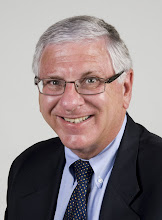
"So if 1-2 per cent of the operations lead to bacterial infection, then the need for revision – re-operation – will also increase", says Anna Stefánsdóttir.
This often involves two operations. First, the old prosthesis is removed and temporarily replaced with bone cement, while the patient is treated with antibiotics to eradicate the infection. This takes 6 weeks and during this time the patient can usually remain at home. Then a further operation follows to insert a new prosthesis.
In some cases it is not possible to put in a new prosthesis. These patients can be treated with an arthrodesis, or removal of the prosthesis (which leaves the leg without a real knee joint, often confining the patient to a wheelchair). In exceptional cases the infection leads to amputation.
Anna Stefánsdóttir has reviewed almost 480 cases of revision knee replacement between 1986 and 2000.
"Over time more patients have received a new knee prosthesis and fewer are treated with an arthrodesis, but still there are many people who do not get rid of the infection. Other studies show that those who have to have a second operation because of an infection are less satisfied than those who have to have their knee joint changed because the prosthesis has come loose or become worn", she says.
Therefore it is important that the healthcare service does its utmost to avoid infection in the wound. This means having good ventilation in the operating theatre, ensuring the doors are tightly closed, and ensuring that preventive antibiotics are given at exactly the right time before the operation.
"It is also important to be observant of wound complications. If an infection is discovered in time, it is possible to open the wound and clean out the bacteria before they have had chance to spread. Newly operated patients should have a 'VIP lane' so that they can go straight to the hospital orthopaedics department and not have to go via primary care", says Anna Stefánsdóttir.
In Ms Stefánsdóttir's view, re-operations due to infection should be centralised to specialist units, because they require such close cooperation between orthopaedists and infectious disease specialists.
Nowadays, there are orthopaedics clinics that only carry out one such operation a year, which makes it more difficult to establish the right routines.
Monday, December 6, 2010

Friday, August 6, 2010
Lubricating the knee cartilage after ACL injury may prevent osteoarthritis
Ω
PROVIDENCE, RI – An injury to the anterior cruciate ligament (ACL) is fairly common, especially among young athletes. While it can often be corrected through surgery, the injury can lead to increased risk of developing degenerative joint diseases, including osteoarthritis (OA). The problem is that fluid in the knee joint, which lubricates the cartilage, is impacted by the trauma of the injury and begins to deteriorate. A new study from Rhode Island Hospital researchers identifies options for restoring that lubrication to potentially prevent development of OA. The study is published in the August 2010 edition of the journal Arthritis & Rheumatism and is now available online ahead of print.
The study was led by Gregory Jay, MD, PhD, an emergency medicine physician and researcher at Rhode Island Hospital. Jay says, "We know that acute ACL injury is a significant risk factor for the development of post-traumatic osteoarthritis. We also know why that occurs, due to the degeneration of the fluids in the joint and cartilage and joint instability, among other things. Our goal for this study was to determine an effective way to counter that process to prevent the development of OA."
The most movable joints in the body, known as synovial joints, contain synovial fluid (SF). This fluid acts as a lubricant to reduce friction between cartilage in the joint during movement. Following a traumatic injury to the ACL, SF concentration of the natural lubricant, lubricin, in the injured joints is significantly lower in those joints than in the healthy, uninjured joint.
The goal was to identify biologic methods to address the loss of lubricin. In their study, they used animal models with torn ACLs to test three types of fluids that could be injected into the joints and could serve as a substitute for the lost SF. The first was human synoviocyte lubricin that was created in a culture and then purified to be injected into the injured knees. The second is recombinant protein, with a change in the genetic make-up of the cell so that it makes a molecule of interest. The reasoning behind using a recombinant protein is that if it is commercialized, that is likely how it will be manufactured. The third was lubricin from human SF that would otherwise be discarded. The human SF is then purified before injection, and because it is more closely aligned with the natural lubricin, it represents a positive control in the study.
Through their study, the researchers report three key findings. Jay, who is also a professor of emergency medicine and engineering at The Warren Alpert Medical School of Brown University says, "First and foremost, we found that you can limit cartilage deterioration. This is evident by using a well-accepted OA biomarker which shows that the breakdown of cartilage collagen type 2 and recovered in the urine has been muted by treating the knee joint with lubricin." The human synoviocyte lubricin was the most effective form in this experiment, however, the recombinant form also had a good degree of success.
Second, the study results indicate that when lubricin is placed back into the traumatized joint, it encourages the joint to make its own lubricin. Jay explains, "We found that you are limiting deterioration of the joint endogenously by the greater secretion of the lubricin molecule. Basically, by placing the lubricin there, it encouraged the joint's normal activity to produce this molecule."
Jay, who is also a physician with University Emergency Medicine Foundation in Providence, stresses that this study is important for another reason. "This is a huge advance over the existing technology of viscosupplementation injections. The concept was good, but the chemistry isn't there to support it." Jay continues, "When viscosupplements were approved as devices in the 90s, it was thought then that hyaluronic acid used in this treatment was tied to joint lubrication because it was viscous. We now know that joint lubrication has little to do with viscosity. We are inventing a new type of joint lubrication strategy: Tribosupplementation, taken from the Greek, meaning to wear or to rub" "
Jay notes, "Viscosupplementation is a $500 million per year device market that just doesn't work particularly well. Past studies by us and others indicate this. We now need a paradigm shift in how we are thinking about preventing and treating arthritic diseases."
Jay and his colleagues believe the study findings represent that paradigm shift. Jay says, "We found that lubricin may prevent the fundamental process that can lead to OA following an ACL injury. It is a promising biologic candidate since it is a replacement for a normally occurring glycoprotein. This is very germane to the health care bill, which supports the creation of new therapeutic biologics." Biologics are important and their development is encouraged because they are very specific and have low toxicity profiles, meaning they are better for patients in terms of better results with fewer complications.
Jay concludes that this and related papers are key to future treatment of joint trauma. "In the peri-injury period following joint trauma, joint surfaces are vulnerable to enhanced wear. This study is pointing us in the right direction, and has shown that this can potentially be mitigated by simply reintroducing the joint's natural lubricant." He continues, "We are confident that further studies will perfect the technology and this will be the way that joints will be treated in the future to prevent OA."
PROVIDENCE, RI – An injury to the anterior cruciate ligament (ACL) is fairly common, especially among young athletes. While it can often be corrected through surgery, the injury can lead to increased risk of developing degenerative joint diseases, including osteoarthritis (OA). The problem is that fluid in the knee joint, which lubricates the cartilage, is impacted by the trauma of the injury and begins to deteriorate. A new study from Rhode Island Hospital researchers identifies options for restoring that lubrication to potentially prevent development of OA. The study is published in the August 2010 edition of the journal Arthritis & Rheumatism and is now available online ahead of print.
The study was led by Gregory Jay, MD, PhD, an emergency medicine physician and researcher at Rhode Island Hospital. Jay says, "We know that acute ACL injury is a significant risk factor for the development of post-traumatic osteoarthritis. We also know why that occurs, due to the degeneration of the fluids in the joint and cartilage and joint instability, among other things. Our goal for this study was to determine an effective way to counter that process to prevent the development of OA."
The most movable joints in the body, known as synovial joints, contain synovial fluid (SF). This fluid acts as a lubricant to reduce friction between cartilage in the joint during movement. Following a traumatic injury to the ACL, SF concentration of the natural lubricant, lubricin, in the injured joints is significantly lower in those joints than in the healthy, uninjured joint.
The goal was to identify biologic methods to address the loss of lubricin. In their study, they used animal models with torn ACLs to test three types of fluids that could be injected into the joints and could serve as a substitute for the lost SF. The first was human synoviocyte lubricin that was created in a culture and then purified to be injected into the injured knees. The second is recombinant protein, with a change in the genetic make-up of the cell so that it makes a molecule of interest. The reasoning behind using a recombinant protein is that if it is commercialized, that is likely how it will be manufactured. The third was lubricin from human SF that would otherwise be discarded. The human SF is then purified before injection, and because it is more closely aligned with the natural lubricin, it represents a positive control in the study.
Through their study, the researchers report three key findings. Jay, who is also a professor of emergency medicine and engineering at The Warren Alpert Medical School of Brown University says, "First and foremost, we found that you can limit cartilage deterioration. This is evident by using a well-accepted OA biomarker which shows that the breakdown of cartilage collagen type 2 and recovered in the urine has been muted by treating the knee joint with lubricin." The human synoviocyte lubricin was the most effective form in this experiment, however, the recombinant form also had a good degree of success.
Second, the study results indicate that when lubricin is placed back into the traumatized joint, it encourages the joint to make its own lubricin. Jay explains, "We found that you are limiting deterioration of the joint endogenously by the greater secretion of the lubricin molecule. Basically, by placing the lubricin there, it encouraged the joint's normal activity to produce this molecule."
Jay, who is also a physician with University Emergency Medicine Foundation in Providence, stresses that this study is important for another reason. "This is a huge advance over the existing technology of viscosupplementation injections. The concept was good, but the chemistry isn't there to support it." Jay continues, "When viscosupplements were approved as devices in the 90s, it was thought then that hyaluronic acid used in this treatment was tied to joint lubrication because it was viscous. We now know that joint lubrication has little to do with viscosity. We are inventing a new type of joint lubrication strategy: Tribosupplementation, taken from the Greek, meaning to wear or to rub" "
Jay notes, "Viscosupplementation is a $500 million per year device market that just doesn't work particularly well. Past studies by us and others indicate this. We now need a paradigm shift in how we are thinking about preventing and treating arthritic diseases."
Jay and his colleagues believe the study findings represent that paradigm shift. Jay says, "We found that lubricin may prevent the fundamental process that can lead to OA following an ACL injury. It is a promising biologic candidate since it is a replacement for a normally occurring glycoprotein. This is very germane to the health care bill, which supports the creation of new therapeutic biologics." Biologics are important and their development is encouraged because they are very specific and have low toxicity profiles, meaning they are better for patients in terms of better results with fewer complications.
Jay concludes that this and related papers are key to future treatment of joint trauma. "In the peri-injury period following joint trauma, joint surfaces are vulnerable to enhanced wear. This study is pointing us in the right direction, and has shown that this can potentially be mitigated by simply reintroducing the joint's natural lubricant." He continues, "We are confident that further studies will perfect the technology and this will be the way that joints will be treated in the future to prevent OA."
Monday, July 26, 2010
Many knee and hip replacement patients experience weight decrease after surgery
Ω
Total knee and hip arthroplasties can lead to healthier living
A Mount Sinai School of Medicine study has found that patients often exhibit a significant decrease in weight and body mass index (BMI) after undergoing knee or hip replacement surgery (arthroplasty). The study is the first of its type to correct for the annual increase in BMI typically found in North Americans between the ages of 29 to 73 years. The study was recently published in Orthopedics.
A total of 196 Mount Sinai patients who had knee or hip replacement from 2005 – 2007 to treat osteoarthritis were randomly selected for the study. Mean patient age at surgery was 67.56 years, with about 65 percent female and 35 percent male. Of this group, 19.9 percent demonstrated a clinically significant decrease in weight (defined as the loss of five percent or more of body weight) and BMI following knee or hip replacement. In addition, the mean weight of the group dropped from 79.59 kg (175.47 lbs) to 78.13 kg (172.24 lbs) after surgery.
Significant BMI decrease was found to be greater in knee replacement patients (21.5 percent) than hip replacement patients (16.9 percent). Patients who were obese prior to surgery, with BMI greater than 30, were the most likely to experience significant post-surgery weight reductions.
"Total joint arthroplasties are performed with the intent of relieving a patient's pain and disability," said the study's lead author Michael Bronson, MD, Chief of Joint Replacement Surgery at Mount Sinai School of Medicine. "Both total knee patients and total hip patients experienced a statistically significant and clinically significant corrected weight loss following surgery, which indicates a healthier overall lifestyle."
The incidence of overweight and obese adults has been steadily increasing over the past five decades in the U.S. Lifestyle modification, consisting of changes in patterns of dietary intake, exercise, and other behaviors, is considered the cornerstone of overweight and obesity management. Overweight patients often argue that their osteoarthritis limits their mobility and ability to exercise. Thus, patients may feel frustrated that they are unable to lose weight, and are often hopeful that losing weight would be easier postoperatively.
These results suggest that patients have improved weight parameters when compared to North American adults. Dr. Bronson and his joint replacement team at Mount Sinai believe that additional studies of total knee and total hip arthroplasty postoperative patients, which also incorporate nutritional guidance and long-term fitness goals, may show even more encouraging results.
Total knee and hip arthroplasties can lead to healthier living
A Mount Sinai School of Medicine study has found that patients often exhibit a significant decrease in weight and body mass index (BMI) after undergoing knee or hip replacement surgery (arthroplasty). The study is the first of its type to correct for the annual increase in BMI typically found in North Americans between the ages of 29 to 73 years. The study was recently published in Orthopedics.
A total of 196 Mount Sinai patients who had knee or hip replacement from 2005 – 2007 to treat osteoarthritis were randomly selected for the study. Mean patient age at surgery was 67.56 years, with about 65 percent female and 35 percent male. Of this group, 19.9 percent demonstrated a clinically significant decrease in weight (defined as the loss of five percent or more of body weight) and BMI following knee or hip replacement. In addition, the mean weight of the group dropped from 79.59 kg (175.47 lbs) to 78.13 kg (172.24 lbs) after surgery.
Significant BMI decrease was found to be greater in knee replacement patients (21.5 percent) than hip replacement patients (16.9 percent). Patients who were obese prior to surgery, with BMI greater than 30, were the most likely to experience significant post-surgery weight reductions.
"Total joint arthroplasties are performed with the intent of relieving a patient's pain and disability," said the study's lead author Michael Bronson, MD, Chief of Joint Replacement Surgery at Mount Sinai School of Medicine. "Both total knee patients and total hip patients experienced a statistically significant and clinically significant corrected weight loss following surgery, which indicates a healthier overall lifestyle."
The incidence of overweight and obese adults has been steadily increasing over the past five decades in the U.S. Lifestyle modification, consisting of changes in patterns of dietary intake, exercise, and other behaviors, is considered the cornerstone of overweight and obesity management. Overweight patients often argue that their osteoarthritis limits their mobility and ability to exercise. Thus, patients may feel frustrated that they are unable to lose weight, and are often hopeful that losing weight would be easier postoperatively.
These results suggest that patients have improved weight parameters when compared to North American adults. Dr. Bronson and his joint replacement team at Mount Sinai believe that additional studies of total knee and total hip arthroplasty postoperative patients, which also incorporate nutritional guidance and long-term fitness goals, may show even more encouraging results.
Friday, July 23, 2010
More Than Half of All ACL Reconstructions Could Be Avoided
Ω
Anterior cruciate ligament (ACL) injuries are common injuries to the knee, primarily affecting young people who practise sport and often treated with surgical reconstruction. A research group from Lund University has now shown that 60 per cent of these operations could be avoided, without negatively affecting treatment outcomes.
The research group's study is known as the KANON study and started in 2001. The group is publishing its results in the New England Journal of Medicine.
"In our study, patients with acute ACL injuries were randomly divided into two groups for treatment with rehabilitation plus early ACL reconstruction or rehabilitation alone with the possibility of a later operation if this was deemed necessary. After two years only 40 per cent of the latter group needed to have an ACL reconstruction.
"Despite the fact that many of the patients were active sportsmen and women, we found no difference between the treatment groups in terms of knee function, activity level or well-being two years after the injury. Neither did we find any difference in these respects when we compared those who were treated with rehabilitation alone with those who had an early operation," says Richard Frobell, researcher at Lund University, Skåne University Hospital and Helsingborg Hospital.
A total of 121 patients took part in the study, which was carried out in collaboration with Helsingborg Hospital and Skåne University Hospital in Lund. The patients were aged between 18 and 35 and had an acute ACL injury in a previously healthy knee. Professional athletes and those who did not regularly practise sport were excluded from the study. All patients underwent extensive rehabilitation, led by experienced physiotherapists.
Sixty-two patients were selected at random to also undergo surgical reconstruction of the injured ligament within four to six weeks of the injury, and 59 patients were selected at random to initially undergo treatment with rehabilitation alone. All the operations were carried out in accordance with well established methods and by experienced surgeons. The patients were examined on several occasions over two years and gave their own opinions of the status of the injured knee.
"There are almost 10 000 scientific publications addressing the ACL and 50 per cent of these are about surgical treatment. However, none of these studies have shown that surgical reconstruction produces better results than rehabilitation alone. Despite this, we perform 3 000 cruciate ligament reconstructions a year in Sweden," says Stefan Lohmander, professor and consultant at Lund University and Skåne University Hospital. "In the USA there are 200 000 operations of this type, at a cost of USD 3 billion!"
The research group's results have strengthened their conviction that there is no evidence to support the recommendation of ACL reconstruction as a first method of treatment.
Rehabilitation with experienced physiotherapists produces the same results as operation for more than half of the individuals in this patient group and only four out of ten need to be exposed to the risks involved in an operation.
The patients in the study will continue to be examined in order to find out whether the results are the same in the longer term and to see if there is any difference between treatments in terms of the risk of developing osteoarthritis in the knee.
Anterior cruciate ligament (ACL) injuries are common injuries to the knee, primarily affecting young people who practise sport and often treated with surgical reconstruction. A research group from Lund University has now shown that 60 per cent of these operations could be avoided, without negatively affecting treatment outcomes.
The research group's study is known as the KANON study and started in 2001. The group is publishing its results in the New England Journal of Medicine.
"In our study, patients with acute ACL injuries were randomly divided into two groups for treatment with rehabilitation plus early ACL reconstruction or rehabilitation alone with the possibility of a later operation if this was deemed necessary. After two years only 40 per cent of the latter group needed to have an ACL reconstruction.
"Despite the fact that many of the patients were active sportsmen and women, we found no difference between the treatment groups in terms of knee function, activity level or well-being two years after the injury. Neither did we find any difference in these respects when we compared those who were treated with rehabilitation alone with those who had an early operation," says Richard Frobell, researcher at Lund University, Skåne University Hospital and Helsingborg Hospital.
A total of 121 patients took part in the study, which was carried out in collaboration with Helsingborg Hospital and Skåne University Hospital in Lund. The patients were aged between 18 and 35 and had an acute ACL injury in a previously healthy knee. Professional athletes and those who did not regularly practise sport were excluded from the study. All patients underwent extensive rehabilitation, led by experienced physiotherapists.
Sixty-two patients were selected at random to also undergo surgical reconstruction of the injured ligament within four to six weeks of the injury, and 59 patients were selected at random to initially undergo treatment with rehabilitation alone. All the operations were carried out in accordance with well established methods and by experienced surgeons. The patients were examined on several occasions over two years and gave their own opinions of the status of the injured knee.
"There are almost 10 000 scientific publications addressing the ACL and 50 per cent of these are about surgical treatment. However, none of these studies have shown that surgical reconstruction produces better results than rehabilitation alone. Despite this, we perform 3 000 cruciate ligament reconstructions a year in Sweden," says Stefan Lohmander, professor and consultant at Lund University and Skåne University Hospital. "In the USA there are 200 000 operations of this type, at a cost of USD 3 billion!"
The research group's results have strengthened their conviction that there is no evidence to support the recommendation of ACL reconstruction as a first method of treatment.
Rehabilitation with experienced physiotherapists produces the same results as operation for more than half of the individuals in this patient group and only four out of ten need to be exposed to the risks involved in an operation.
The patients in the study will continue to be examined in order to find out whether the results are the same in the longer term and to see if there is any difference between treatments in terms of the risk of developing osteoarthritis in the knee.
Wednesday, July 7, 2010
Knee arthritis? Flexible options can help keep you active
Tailoring treatment programs to individual goals and activities is the key to success
Middle-aged men and women with osteoarthritis of the knee now have more options than ever before for treatments that may allow them to remain active in the sports they love, according to a review published in the July 2010 issue of of the Journal of the American Academy of Orthopaedic Surgeons (JAAOS).
"The number of patients between the ages of 40 and 60 who are experiencing knee arthritis is growing, and unlike most older patients, this patient population presents a unique set of treatment challenges," noted lead author Brian Feeley, M.D., assistant professor of orthopaedic surgery, University of California, San Francisco. "Understanding available options and tailoring treatments to each patient's needs and desires is the key to successful outcomes."
The review examined both surgical and non-surgical treatments available for younger patients with knee arthritis, to determine the best course of action for patients who want to continue to participate in demanding sports. Unlike elderly patients, where pain reduction and basic mobility are the two primary goals, Dr. Feeley noted younger, more active patients require more flexible treatment programs to allow them to remain as active as they would like.
"There is an increasing trend in the United States of people who want to stay active in sports and recreational activities after the age of 40. These patients are not content with being told to stop what they love doing," added Dr. Feeley. "As a result, orthopaedic surgeons and other physicians need to come up with different treatment strategies including non-operative treatments or even cartilage restoration procedures, to address pain and functionality, and to help keep patients as active as possible."
While some patients may eventually require surgery, Dr. Feeley said in most cases, non-operative management such as bracing, viscosupplementation (injection of hyaluronic acid), activity modification or anti-inflammatory medication might be used initially, to see if the symptoms resolve or if there is enough improvement to make surgery unnecessary.
"In a vast majority of cases, the onset of arthritis is a slow, degenerative process and therefore there is rarely a need to rush to surgery," he added. "Depending on the symptoms and activity level, many patients can be managed well with non-operative treatment strategies, whereas others truly benefit from surgical procedures. For each patient, it is important to tailor treatment to their symptoms and activity level, and to look for a healthcare provider who is willing to work with them over time to keep their knee as healthy as possible."
Although alternative treatments like acupuncture, glucosamine and chondroitin may be incorporated into an overall treatment plan, Dr. Feeley noted that currently there is no strong clinical evidence supporting the efficacy of these alternative-types of treatment.
For patients suffering with arthritis of the knee, Dr. Feeley recommends the following approach to help patients remain active:
• Take control of your situation—understand the disease process and learn about different treatment options.
• Work with your physician to come up with both short-term and long-term courses of treatment to help manage your symptoms early while maintaining the health of your knee and body for as long as possible.
• Be flexible with your activities and do not put the exact same stresses on the knee everyday. In some cases, mild activity modification such as switching to more biking or swimming and less running may make a huge difference in the number and severity of symptoms. Trying new activities also can help keep morale high.
• Don't be afraid to ask questions of your physician. Look for a doctor who can help you understand the advantages and disadvantages of each treatment option, and who is willing to work with you to tailor a treatment strategy to your individual needs.
"Even when surgery is necessary, proper follow-up treatment and physical therapy tailored to the patient's needs can go along way toward keeping that patient active and satisfied in the long-term," stated Dr. Feeley.
Tuesday, July 6, 2010
Glucosamine appears to provide little benefit for chronic low-back pain
Even though it is widely used as a therapy for low back pain, a randomized controlled trial finds that patients with chronic low back pain (LBP) and degenerative lumbar osteoarthritis (OA) who took glucosamine for six months showed little difference on measures of pain-related disability, low back and leg pain and health-related quality of life, compared to patients who received placebo, according to a study in the July 7 issue of JAMA.
"Osteoarthritis is a common condition that currently affects more than 20 million individuals in the United States, and this number is expected to increase," the authors write. "Low back pain is widespread and is the second most common concern expressed by patients in primary care. It poses a diagnostic and therapeutic challenge to clinicians due to the unclear etiology [cause] and the range of interventions with limited effect." Glucosamine is widely used as a treatment for OA, despite its controversial and conflicting evidence for effect, and is also increasingly taken by LBP patients, even though the evidence of its effectiveness remains inconclusive.
Philip Wilkens, M.Chiro., of Oslo University Hospital and University of Oslo, Norway, and colleagues investigated the effect of a 6-month intake of glucosamine in reducing pain-related disability by conducting a randomized, placebo-controlled trial with 250 patients older than 25 years of age with chronic LBP (for longer than 6 months) and degenerative lumbar OA. Patients took either 1,500 mg. of oral glucosamine (n = 125) or placebo (n = 125) daily for 6 months, with effects assessed after the 6-month intervention period and at 1 year. The primary outcome was pain-related disability as measured with the Roland Morris Disability Questionnaire (RMDQ). Secondary outcomes were numerical scores from pain-rating scales of patients at rest and during activity and a quality-of-life measure. Data collection occurred at the beginning of the trial and at 6 weeks, 3 and 6 months, and at 1 year.
At the beginning of the trial, the average RMDQ score was 9.2 for the glucosamine group and was 9.7 for the placebo group. The 6-month average RMDQ score was 5.0 for both the glucosamine and placebo group, and 1-year score was 4.8 for the glucosamine group, and 5.5 for the placebo group. No statistically significant difference in change between groups was found when assessed after the 6-month intervention period and at 1 year for RMDQ, and for measures of LBP at rest, LBP during activity and quality-of-life. Mild adverse events were reported in 40 patients in the glucosamine group and 46 patients in the placebo group.
"Based on our results, it seems unwise to recommend glucosamine to all patients with chronic LBP and degenerative lumbar OA. Further research is needed to clarify whether glucosamine is advantageous in an alternative LBP population," the authors conclude.
"Osteoarthritis is a common condition that currently affects more than 20 million individuals in the United States, and this number is expected to increase," the authors write. "Low back pain is widespread and is the second most common concern expressed by patients in primary care. It poses a diagnostic and therapeutic challenge to clinicians due to the unclear etiology [cause] and the range of interventions with limited effect." Glucosamine is widely used as a treatment for OA, despite its controversial and conflicting evidence for effect, and is also increasingly taken by LBP patients, even though the evidence of its effectiveness remains inconclusive.
Philip Wilkens, M.Chiro., of Oslo University Hospital and University of Oslo, Norway, and colleagues investigated the effect of a 6-month intake of glucosamine in reducing pain-related disability by conducting a randomized, placebo-controlled trial with 250 patients older than 25 years of age with chronic LBP (for longer than 6 months) and degenerative lumbar OA. Patients took either 1,500 mg. of oral glucosamine (n = 125) or placebo (n = 125) daily for 6 months, with effects assessed after the 6-month intervention period and at 1 year. The primary outcome was pain-related disability as measured with the Roland Morris Disability Questionnaire (RMDQ). Secondary outcomes were numerical scores from pain-rating scales of patients at rest and during activity and a quality-of-life measure. Data collection occurred at the beginning of the trial and at 6 weeks, 3 and 6 months, and at 1 year.
At the beginning of the trial, the average RMDQ score was 9.2 for the glucosamine group and was 9.7 for the placebo group. The 6-month average RMDQ score was 5.0 for both the glucosamine and placebo group, and 1-year score was 4.8 for the glucosamine group, and 5.5 for the placebo group. No statistically significant difference in change between groups was found when assessed after the 6-month intervention period and at 1 year for RMDQ, and for measures of LBP at rest, LBP during activity and quality-of-life. Mild adverse events were reported in 40 patients in the glucosamine group and 46 patients in the placebo group.
"Based on our results, it seems unwise to recommend glucosamine to all patients with chronic LBP and degenerative lumbar OA. Further research is needed to clarify whether glucosamine is advantageous in an alternative LBP population," the authors conclude.
Wednesday, June 30, 2010
Failed ACL Repairs: More Common than You May Think
Nick Van Erp, active in soccer since elementary school and lacrosse since junior high, tore the anterior cruciate ligament in his knee during a spring lacrosse game his freshman year of high school. His injury, caused by stepping into a pothole and hyper-extending his knee, required surgical repair, ending his season prematurely and the remainder of his high school sports career.
Three years and two failed surgeries later, he made his way to the University of Michigan Health System in July 2009 to get what he hopes will be his final knee surgeries.
“I haven’t played soccer since freshman year and I’ve tried to play lacrosse, but every time, [my ACL] tears,” says Van Erp, a Grand Rapids resident.
Failed ACL repairs common
This eighteen-year-old’s story is not unique—an estimated 400,000 people suffer an ACL injury each year, requiring primary reconstruction surgery to repair the injury. Unfortunately, 18,000 to 35,000 of those repairs will fail and require revisions, which are additional surgeries for reconstruction. Revisions are more complicated, less successful and require a longer rehabilitation period than the first surgery.
Orthopaedic surgeons at U-M perform 200-300 ACL primary reconstructions each year. In addition to primary reconstructions, U-M surgeons perform about 30 revisions each year to correct failed ACL primary reconstructions performed elsewhere.
“Why those ligaments fail is subject to a lot of debate but probably has something to do with the techniques used the first time, and then the fact that so many [patients] go back to the sports that originally caused the problem,” says Ed Wojtys, M.D., director of the MedSport sports medicine clinic at U-M.
Primary ACL reconstruction surgeries, performed by orthopaedic surgeons, replace the injured ligament with an autograft from the patient’s body, such as a tendon of the kneecap or hamstring.
Most reconstruction surgeries are done by making small incisions in the knee and inserting instruments to perform the repair. After surgery, typically four to six months of rehabilitation therapy is needed for the repair to fully heal. If surgery and rehabilitation is done correctly, the patient typically will have reduced pain, good knee function and stability, and return to normal levels of activity.
“The most common reason for an ACL [repair] to fail is technical error, where the actual graft is placed in a non-anatomic position and the most common wrong position is too vertical—too up and down—which doesn’t allow the graft to restore rotation,” Jon Sekiya, M.D., associate professor of orthopaedics at U-M.
Common reasons for ACL repair failure include:_• inadequate time for rehabilitation, _• physiological factors such as the alignment of the patient’s bones or muscle function, _• additional injuries at the same time as an ACL injury—such as to cartilage in the knee or another knee ligament—which may also require repair to restore stability to the knee, _• reoccurring trauma due to intense physical activity, and _• improper surgical techniques.
Finding an experienced surgeon
An American Board of Orthopedic Surgeries survey found that 85 percent of surgeons who are doing ACL [repairs] do 10 or less per year.
“I definitely don’t think that the exact number of surgeries you do is indicative of necessarily the skill level,” Sekiya says. “However, I do think there are subtleties to this surgery that if encountered during an operation, may not be recognized in a less experienced ACL surgeon and can lead to failure. We do see that.”
To reduce the chance of an ACL repair failure, Sekiya says patients should talk to surgeons and other clinical staff who may be involved in their care about their experience before deciding on where to get the surgery.__“When trying to choose a place to take care of their ACL and their injury, [patients] should make sure the surgical staff and therapists are well versed to take care of all the problems they may encounter,” says Sekiya, who is also Nick Van Erp’s orthopaedic surgeon. “Patients can simply ask their surgeon if they are comfortable doing the procedure – they will likely get an honest answer.
Long road to repair
Nick Van Erp, who was en route to a third ACL repair surgery elsewhere when he was referred to U-M for a second opinion, is now on the road to recovery.
“I think we were headed down a course that was similar to the two episodes that had previously failed,” says Jeff Van Erp, who is Nick’s father and also a practicing physician.
Upon examination, Sekiya found that Van Erp’s problem was more complicated than a failed ACL repair. He and the Van Erps opted for diagnostic arthroscopy, to fully evaluate the knee and prepare it for future surgeries. This took place in August 2009.
The procedure revealed that Van Erp’s meniscus had been removed during a previous surgery, which is a secondary stabilizer to the ACL, and that he had bowed knees, which also contributed to his two previous ACL reconstruction failures. During the procedure, Sekiya also removed previously placed hardware and filled in the tunnels left behind with bone grafts.
In October 2009, Sekiya performed a tibial osteotomy, where he had to break and re-fix Van Erp’s shin bone to realign his knee. And finally, in March 2010, Sekiya transplanted a new meniscus and performed a double-bundle ACL reconstruction to provide stronger reinforcement to the knee.
“[I have] no real pain anymore,” Nick Van Erp says. ”And I know the tibial osteotomy worked because [my knee] feels more stable.”
“We’re obviously very happy that we decided to invest the time and energy into getting an opinion from someone who specializes in essentially catastrophic joint situations like Dr. Sekiya,” says Jeff Van Erp.
Nick Van Erp hopes to play intramural lacrosse at Kalamazoo College next year.
“I’m hoping this is the last knee surgery,” he says. “Hopefully everything will work and I can go to college and not have to worry about this.”
• Nick Van Erp has been undergoing physical therapy and expects to be completed in September 2010.
•
•
•
•
Three years and two failed surgeries later, he made his way to the University of Michigan Health System in July 2009 to get what he hopes will be his final knee surgeries.
“I haven’t played soccer since freshman year and I’ve tried to play lacrosse, but every time, [my ACL] tears,” says Van Erp, a Grand Rapids resident.
Failed ACL repairs common
This eighteen-year-old’s story is not unique—an estimated 400,000 people suffer an ACL injury each year, requiring primary reconstruction surgery to repair the injury. Unfortunately, 18,000 to 35,000 of those repairs will fail and require revisions, which are additional surgeries for reconstruction. Revisions are more complicated, less successful and require a longer rehabilitation period than the first surgery.
Orthopaedic surgeons at U-M perform 200-300 ACL primary reconstructions each year. In addition to primary reconstructions, U-M surgeons perform about 30 revisions each year to correct failed ACL primary reconstructions performed elsewhere.
“Why those ligaments fail is subject to a lot of debate but probably has something to do with the techniques used the first time, and then the fact that so many [patients] go back to the sports that originally caused the problem,” says Ed Wojtys, M.D., director of the MedSport sports medicine clinic at U-M.
Primary ACL reconstruction surgeries, performed by orthopaedic surgeons, replace the injured ligament with an autograft from the patient’s body, such as a tendon of the kneecap or hamstring.
Most reconstruction surgeries are done by making small incisions in the knee and inserting instruments to perform the repair. After surgery, typically four to six months of rehabilitation therapy is needed for the repair to fully heal. If surgery and rehabilitation is done correctly, the patient typically will have reduced pain, good knee function and stability, and return to normal levels of activity.
“The most common reason for an ACL [repair] to fail is technical error, where the actual graft is placed in a non-anatomic position and the most common wrong position is too vertical—too up and down—which doesn’t allow the graft to restore rotation,” Jon Sekiya, M.D., associate professor of orthopaedics at U-M.
Common reasons for ACL repair failure include:_• inadequate time for rehabilitation, _• physiological factors such as the alignment of the patient’s bones or muscle function, _• additional injuries at the same time as an ACL injury—such as to cartilage in the knee or another knee ligament—which may also require repair to restore stability to the knee, _• reoccurring trauma due to intense physical activity, and _• improper surgical techniques.
Finding an experienced surgeon
An American Board of Orthopedic Surgeries survey found that 85 percent of surgeons who are doing ACL [repairs] do 10 or less per year.
“I definitely don’t think that the exact number of surgeries you do is indicative of necessarily the skill level,” Sekiya says. “However, I do think there are subtleties to this surgery that if encountered during an operation, may not be recognized in a less experienced ACL surgeon and can lead to failure. We do see that.”
To reduce the chance of an ACL repair failure, Sekiya says patients should talk to surgeons and other clinical staff who may be involved in their care about their experience before deciding on where to get the surgery.__“When trying to choose a place to take care of their ACL and their injury, [patients] should make sure the surgical staff and therapists are well versed to take care of all the problems they may encounter,” says Sekiya, who is also Nick Van Erp’s orthopaedic surgeon. “Patients can simply ask their surgeon if they are comfortable doing the procedure – they will likely get an honest answer.
Long road to repair
Nick Van Erp, who was en route to a third ACL repair surgery elsewhere when he was referred to U-M for a second opinion, is now on the road to recovery.
“I think we were headed down a course that was similar to the two episodes that had previously failed,” says Jeff Van Erp, who is Nick’s father and also a practicing physician.
Upon examination, Sekiya found that Van Erp’s problem was more complicated than a failed ACL repair. He and the Van Erps opted for diagnostic arthroscopy, to fully evaluate the knee and prepare it for future surgeries. This took place in August 2009.
The procedure revealed that Van Erp’s meniscus had been removed during a previous surgery, which is a secondary stabilizer to the ACL, and that he had bowed knees, which also contributed to his two previous ACL reconstruction failures. During the procedure, Sekiya also removed previously placed hardware and filled in the tunnels left behind with bone grafts.
In October 2009, Sekiya performed a tibial osteotomy, where he had to break and re-fix Van Erp’s shin bone to realign his knee. And finally, in March 2010, Sekiya transplanted a new meniscus and performed a double-bundle ACL reconstruction to provide stronger reinforcement to the knee.
“[I have] no real pain anymore,” Nick Van Erp says. ”And I know the tibial osteotomy worked because [my knee] feels more stable.”
“We’re obviously very happy that we decided to invest the time and energy into getting an opinion from someone who specializes in essentially catastrophic joint situations like Dr. Sekiya,” says Jeff Van Erp.
Nick Van Erp hopes to play intramural lacrosse at Kalamazoo College next year.
“I’m hoping this is the last knee surgery,” he says. “Hopefully everything will work and I can go to college and not have to worry about this.”
• Nick Van Erp has been undergoing physical therapy and expects to be completed in September 2010.
•
•
•
•
Subscribe to:
Posts (Atom)